Ramadan is a month of worship, discipline and mercy. Fasting is one of the five pillars of Islam and an obligation upon every able adult Muslim. Yet Islam is also a faith rooted in compassion and practicality. Where hardship exists, allowances are made. Where mistakes occur, pathways to accountability and redemption are provided.
Kaffarah and Fidya are two such provisions. Both relate to missed fasts, but they apply in different circumstances and carry different rulings. Understanding the distinction ensures that we fulfil our religious obligations correctly while supporting those in need with dignity.
What Is Fidya?
Fidya applies to individuals who are unable to fast due to a valid and ongoing reason and are not expected to make up the missed fasts in the future.
This includes:
In these cases, Islam does not burden a person beyond their capacity. Instead of fasting, they are required to pay Fidya for each missed fast.
Fidya involves feeding one person in need for every fast missed. The amount is calculated based on the cost of providing two simple meals or one full day’s sustenance to someone facing hardship.
Fidya is not a penalty. It is a means of ensuring that even when someone cannot fast, the spirit of Ramadan — care for the vulnerable and awareness of hunger — is upheld.
What Is Kaffarah?
Kaffarah applies in a different situation. It is required when someone deliberately breaks a fast during Ramadan without a valid excuse.
Because fasting in Ramadan is a serious obligation, intentionally breaking it carries a heavier consequence. Kaffarah requires either fasting for sixty consecutive days for each broken fast or, if that is not possible, feeding sixty people in need for each fast deliberately broken.
This ruling reflects the gravity of intentionally violating an obligation while also providing a path toward repentance and restoration.
If a fast is missed due to a temporary valid reason, such as illness or travel, it must simply be made up later. Kaffarah does not apply in those cases.
The Difference Between Fidya and Kaffarah
The key distinction lies in intention and ability.
Fidya is for those who cannot fast and are not expected to make up their fasts later. It is a compassionate concession.
Kaffarah is for those who deliberately break a fast without valid reason. It is an act of expiation tied to accountability.
Both, however, share a common outcome: feeding those in need.
Turning Obligation into Impact
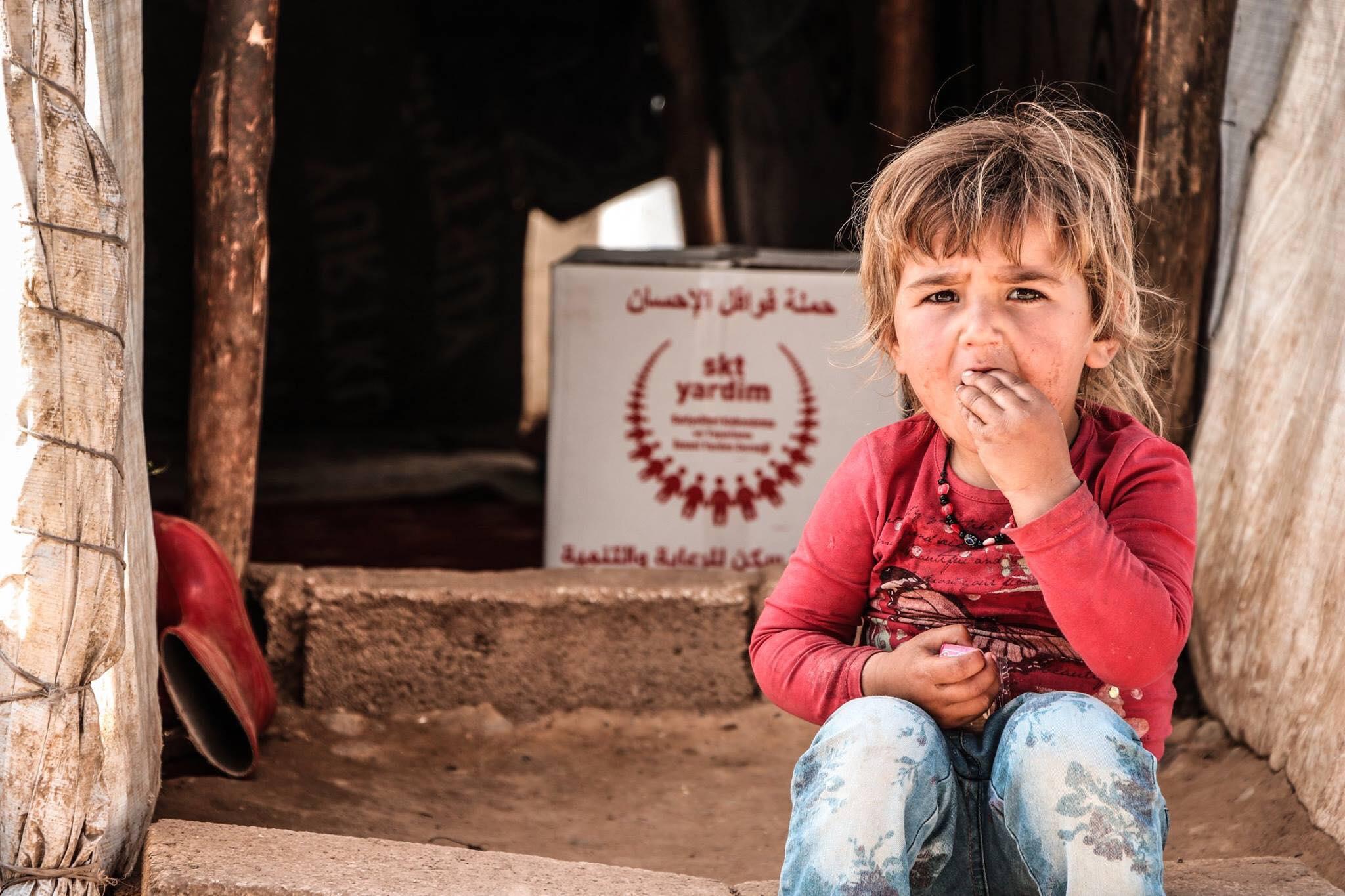
When Fidya or Kaffarah is given through a trusted humanitarian programme, it does more than fulfil a personal duty. It provides direct assistance to families experiencing food insecurity.
In many communities, Ramadan is observed under extremely difficult circumstances. Conflict, displacement and poverty leave millions unsure of where their next meal will come from. Contributions given as Fidya or Kaffarah can provide food parcels, cooked meals and essential support during a month when dignity and nourishment matter deeply.
Through this system, personal worship becomes collective benefit. An individual obligation becomes community relief.
Fulfilling Your Duty with Care
Before paying Fidya or Kaffarah, it is always recommended to consult a qualified scholar if you are unsure about your situation. Ensuring that your payment aligns with your circumstances is part of fulfilling the obligation correctly.
Ramadan is a month of mercy, but it is also a month of responsibility. Islam provides structured guidance not to burden us, but to protect the sanctity of worship while safeguarding human dignity.
By understanding Fidya and Kaffarah, we honour both the letter and the spirit of the fast. And by directing that support toward those in need, we ensure that even missed fasts become a source of relief and reward.
May Allah accept our fasting, forgive our shortcomings and allow our acts of expiation to bring benefit to those who need it most.



Our 100% Donation Policy means that every penny you donate is used in the delivery of humanitarian projects and directly related costs. Indirect and administrative costs are covered by either direct donations themselves or by using Gift Aid.