The Women’s Economic Empowerment Project
Your Zakat can be the turning point in a mother’s life.
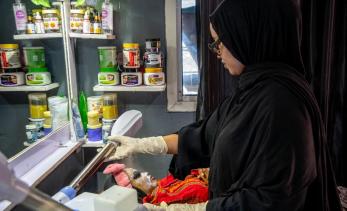
In Somaliland, 20 Zakat-eligible single mothers are raising children with serious medical conditions while struggling to meet even their most basic needs. They carry the weight of caregiving, financial hardship, and uncertainty — often alone.
This one-year initiative is designed not just to support them, but to empower them.
The programme begins with intensive training in:
Business and financial literacy
Entrepreneurship and marketing
Record keeping, savings, and investment (including opening personal bank accounts and forming a savings committee)
Personal development and leadership
Mental health and psychosocial well-being
These sessions rebuild confidence, restore dignity, and equip each mother with the tools to create a stable future.
After training, each woman receives seed funding to launch her own small business. Ongoing mentorship from business coaches and peer mentors ensures she is not alone on her journey.
To ease immediate pressures, every participant also receives a monthly stipend for home expenses — allowing her to focus on building her livelihood with peace of mind.
This project is fully Zakat eligible.
When you give your Zakat, you are not only relieving hardship — you are creating sustainable change for mothers and their vulnerable children.
Donate your Zakat today. Empower a mother. Protect a child. Transform a family’s future.
This project is Zakat eligible.


Our 100% donation policy means that every penny you donate is used in the delivery of humanitarian projects and directly related costs. Indirect and administrative costs are covered by either direct donations themselves or by using Gift Aid.
Our 100% donation policy means that every penny you donate is used in the delivery of humanitarian projects and directly related costs. Indirect and administrative costs are covered by either direct donations themselves or by using Gift Aid.


Our 100% Donation Policy means that every penny you donate is used in the delivery of humanitarian projects and directly related costs. Indirect and administrative costs are covered by either direct donations themselves or by using Gift Aid.